


Understanding Advanced Conventional Bathroom Waterproof Strips
Release time:
2024-09-18
When it comes to maintaining a dry and safe bathroom environment, advanced conventional bathroom waterproof strips play a crucial role. These specialized sealing components are designed to provide effective barriers against moisture, preventing water damage and enhancing the longevity of various structures within the bathroom. Advanced conventional waterproof strips are typically made from high-qu
When it comes to maintaining a dry and safe bathroom environment, advanced conventional bathroom waterproof strips play a crucial role. These specialized sealing components are designed to provide effective barriers against moisture, preventing water damage and enhancing the longevity of various structures within the bathroom.
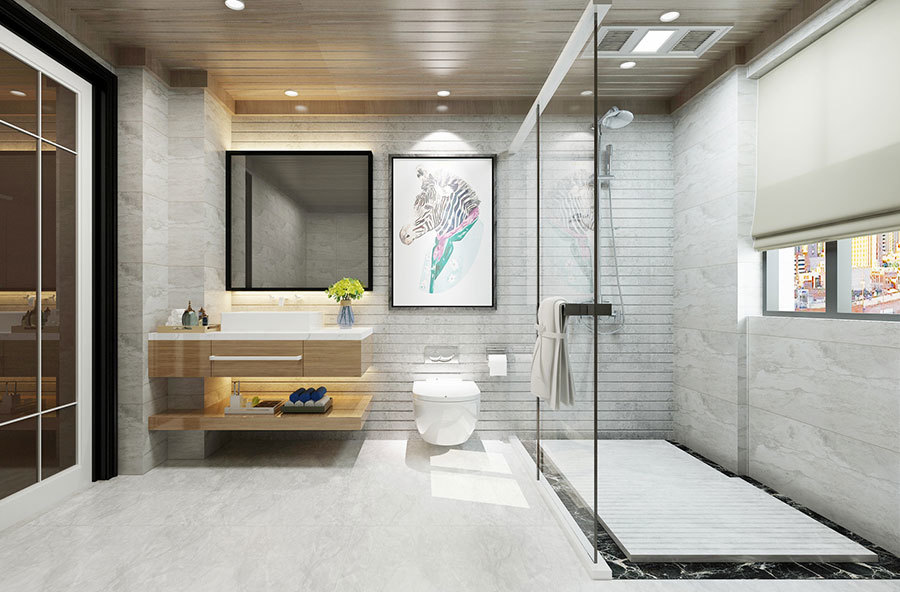
Advanced conventional waterproof strips are typically made from high-quality materials that resist degradation from exposure to water and humidity. They are engineered to withstand the unique challenges posed by bathroom environments, such as steam from showers and splashes from sinks. This durability is essential for preventing mold and mildew growth, which can compromise both health and structural integrity.
One of the key features of these waterproof strips is their adaptability. They can be used in a variety of applications, including sealing gaps around bathtubs, showers, sinks, and even between tiles. Their versatility makes them an excellent choice for both new constructions and renovations. By effectively sealing joints and edges, these strips contribute to a more watertight space, reducing the likelihood of leaks and water penetration.
Another benefit of advanced conventional bathroom waterproof strips is their ease of installation. Many of these products come with adhesive backing, allowing for a simple peel-and-stick application. This user-friendly feature not only saves time but also ensures a strong bond with the surfaces they are applied to. Contractors and DIY enthusiasts alike appreciate this convenience, as it simplifies the process of waterproofing bathrooms.
The importance of selecting the right waterproof strip cannot be overstated. Factors such as the specific environment, material compatibility, and the intended application all play a role in determining the most effective option. Advanced conventional waterproof strips are available in various profiles, sizes, and colors, allowing for customization to meet the aesthetic and functional needs of any bathroom.
Furthermore, these waterproof strips contribute to energy efficiency. By preventing drafts and water leaks, they help maintain temperature control within the bathroom, potentially lowering energy costs. Moreover, a well-sealed bathroom is not just a matter of comfort; it also promotes hygiene by reducing the risk of water-related issues that can lead to costly repairs and health concerns.
In conclusion, advanced conventional bathroom waterproof strips are an essential component in any bathroom design or renovation project. Their robust construction, versatility, and ease of use make them a valuable asset for both residential and commercial applications. By understanding their benefits and applications, you can make informed decisions that enhance the functionality and safety of your bathroom spaces.
Related dynamics

MESSAGE
CONTACT
SERVICE HOTLINE:
ADDRESS:No.11 Jiangmei Development Zone, Xiaotang Third Ring West Road, Shishan Town, Nanhai District, Foshan City