


How Waterproof Strips Transform Your Shower Experience
Release time:
2025-02-25
Incorporating **waterproof strips** into your shower setup is a smart investment that enhances safety, hygiene, and aesthetics
1. What Are Waterproof Strips?
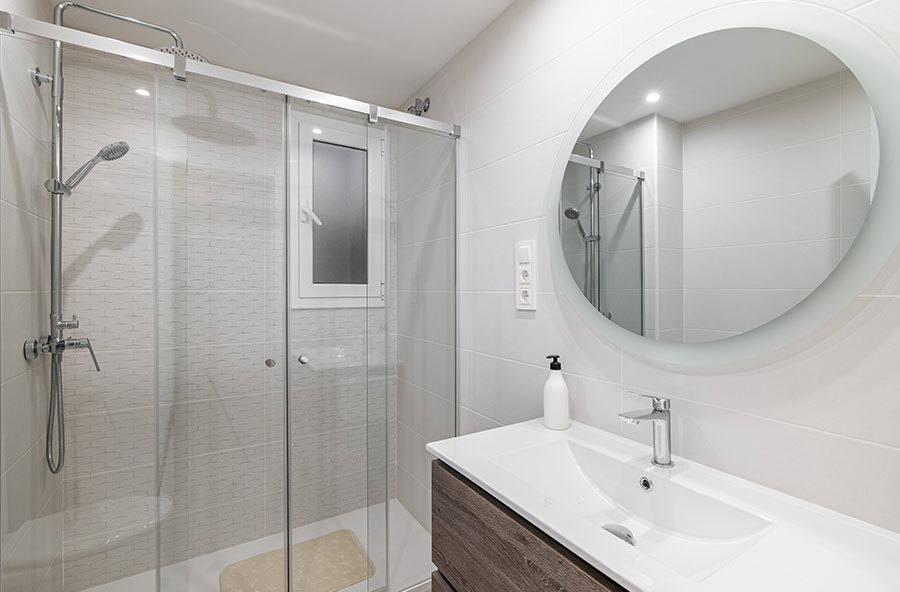
**Waterproof strip for shower**, often referred to as shower seals or water barrier strips, are specially designed materials used to prevent water leakage in bathrooms, particularly around showers and bathtubs. These strips can be made from various materials, including silicone, rubber, or plastic, and they are engineered to withstand moisture and temperature changes. Their primary function is to create a tight seal that prevents water from escaping the designated wet areas, thereby protecting the surrounding surfaces from damage.
2. Types of Waterproof Strips
Understanding the different types of waterproof strips available can help you choose the right one for your specific needs. Here are the most common types:
2.1 Silicone Waterproof Strips
Silicone strips are popular due to their flexibility and durability. They can be easily molded to fit various shapes and provide an excellent seal against water intrusion. These strips are also resistant to mold and mildew, making them ideal for bathroom use.
2.2 Rubber Waterproof Strips
Rubber strips offer superior elasticity and can effectively accommodate movement between surfaces. They are commonly used in shower doors and can withstand harsh conditions, making them reliable for long-term use.
2.3 Magnetic Waterproof Strips
Magnetic strips are designed for shower doors and create a tight seal through magnetic attraction. This type of strip not only prevents water leakage but also enhances accessibility by allowing doors to close easily.
2.4 Adhesive Waterproof Strips
Adhesive waterproof strips come with a self-adhesive backing for easy installation. They are available in various sizes and can be applied to almost any clean surface, making them a convenient option for quick fixes.
3. Benefits of Using Waterproof Strips
Incorporating waterproof strips into your shower design offers numerous advantages:
3.1 Prevents Water Damage
Water damage can lead to costly repairs and renovations. Waterproof strips create a barrier that stops water from leaking into walls and floors, protecting your home from mold and structural damage.
3.2 Enhances Hygiene
Maintaining a clean shower environment is crucial for good hygiene. Waterproof strips help minimize the accumulation of water, thereby reducing the risk of mold and mildew growth.
3.3 Improves Aesthetics
Available in various colors and designs, waterproof strips can enhance the overall look of your bathroom. They provide a seamless finish that complements your tiles and fixtures.
3.4 Cost-Effective Solution
Investing in waterproof strips is a cost-effective way to safeguard your bathroom. They are less expensive than major renovations and can significantly extend the life of your bathroom fixtures.
3.5 Easy Installation and Maintenance
Many waterproof strips are designed for straightforward installation, even for DIY enthusiasts. Maintenance is also minimal, requiring only occasional cleaning to keep them in good condition.
4. Installation Guide for Waterproof Strips
Installing waterproof strips is a straightforward process that can be accomplished with a few tools and materials. Follow these steps for a successful installation:
4.1 Gather Your Materials
You will need the following items:
- Waterproof strips (of your chosen type)
- Measuring tape
- Scissors or a utility knife
- Clean cloth
- Adhesive (if not self-adhesive)
4.2 Measure and Cut
Accurate measurements are crucial for a perfect fit. Measure the area where you plan to apply the waterproof strips and cut them to the required length. Leave a little extra length to ensure complete coverage.
4.3 Prepare the Surface
Clean the surface where the strips will be applied to ensure proper adhesion. Use a damp cloth to remove dust, grime, and any existing sealant. Allow the surface to dry completely.
4.4 Apply the Waterproof Strips
If using adhesive strips, simply peel off the backing and press the strip firmly onto the prepared surface. For non-adhesive options, apply a suitable adhesive before positioning the strip.
4.5 Seal the Edges
After applying the waterproof strips, seal the edges with additional silicone or sealant to ensure there are no gaps. This step is vital for maximizing the effectiveness of the waterproof barrier.
5. Common Mistakes to Avoid When Installing Waterproof Strips
To ensure a successful installation, be aware of these common mistakes:
5.1 Skipping Surface Preparation
Neglecting to clean the surface can lead to poor adhesion, resulting in water leakage. Always ensure the area is spotless before installation.
5.2 Incorrect Measurements
Taking inaccurate measurements can lead to strips that are too short or too long. Double-check your measurements before cutting.
5.3 Not Sealing Edges
Failing to seal the edges can compromise the effectiveness of the waterproofing. Always seal the edges to create a watertight barrier.
6. Maintaining Your Waterproof Strips
Proper maintenance will extend the life of your waterproof strips and maintain their effectiveness:
6.1 Regular Cleaning
Regularly clean the strips with mild soap and water to prevent the buildup of mold and grime. Avoid harsh chemicals that could damage the material.
6.2 Inspect for Damage
Periodically check the strips for signs of wear or damage. Replace any damaged strips promptly to maintain protection against water leakage.
6.3 Ensure Proper Sealing
Every few months, inspect the sealing edges to ensure they remain intact. Reapply sealant as necessary to prevent water intrusion.
Incorporating **waterproof strips** into your shower setup is a smart investment that enhances safety, hygiene, and aesthetics. By understanding their types, benefits, and maintenance, you can effectively transform your shower experience. Whether you are a homeowner, a DIY enthusiast, or a professional looking to improve bathroom functionality, waterproof strips offer a practical and stylish solution. With the right knowledge and a little effort, you can ensure your bathroom remains a pristine and inviting space, all while safeguarding it against water damage.
Related dynamics

MESSAGE
CONTACT
SERVICE HOTLINE:
ADDRESS:No.11 Jiangmei Development Zone, Xiaotang Third Ring West Road, Shishan Town, Nanhai District, Foshan City