


Unlocking the Power of PVC Conventional Magnetic Stripe: A Comprehensive Guide
Release time:
2025-01-04
PVC conventional magnetic stripes remain a vital technology across various industries, providing a reliable and cost-effective solution for data storage and retrieval
1. Introduction
In today’s fast-paced industrial landscape, efficiency and security are paramount. One technology that has remained vital in various sectors is the PVC conventional magnetic stripe. Often found on ID cards, credit cards, and access control systems, these magnetic stripes play a crucial role in data encoding and retrieval. Understanding their significance can enhance operational effectiveness and streamline processes.
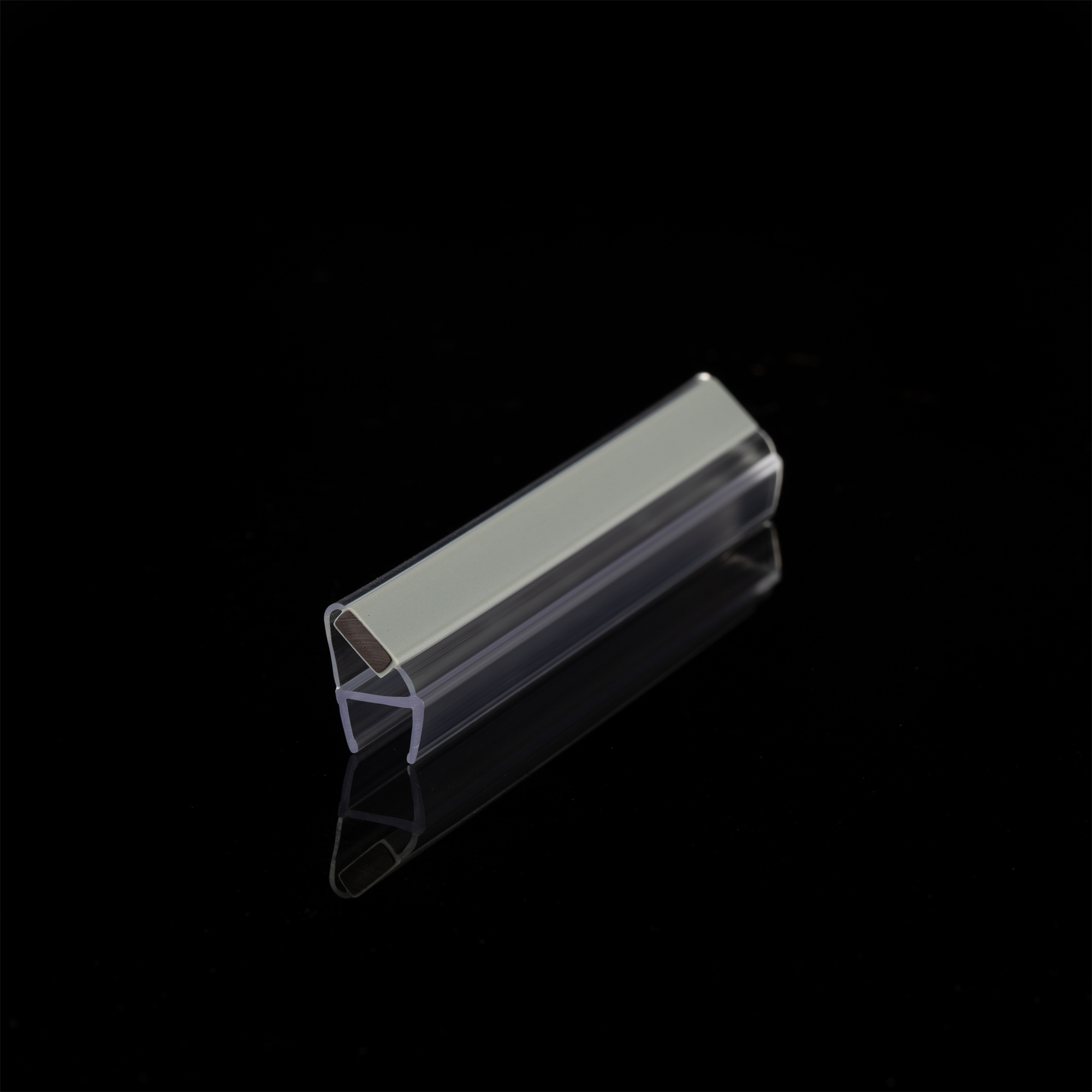
2. Composition and Functionality of PVC Magnetic Stripes
PVC (Polyvinyl Chloride) is a versatile plastic widely used in manufacturing various products, including magnetic stripes. The magnetic stripe itself consists of three main components: a magnetic layer, a plastic backing, and an adhesive layer.
2.1 Magnetic Layer
The magnetic layer contains iron oxide particles, which are responsible for data storage. This layer can be encoded with information using a magnetic encoder, allowing the stripe to store data in a format that can be read by a magnetic reader.
2.2 Plastic Backing
The plastic backing provides structural integrity and durability. PVC is chosen for its resistance to wear, moisture, and chemicals, making it suitable for both indoor and outdoor applications.
2.3 Adhesive Layer
The adhesive layer secures the magnetic stripe to the card or surface, ensuring that it remains intact during handling and usage.
3. Common Applications of PVC Conventional Magnetic Stripes
PVC conventional magnetic stripes are applicable in numerous industries. Here are some of the most prevalent uses:
3.1 Access Control
In security systems, magnetic stripes are frequently used on employee ID cards or key fobs. They grant or restrict access to certain areas, enhancing security protocols in corporate environments.
3.2 Payment Systems
Many credit and debit cards utilize PVC magnetic stripes for transaction processing. The stored information allows for quick data retrieval, making purchases seamless for consumers and merchants alike.
3.3 Transportation
Public transportation systems often employ magnetic stripe technology for ticketing. Commuters can easily tap their cards against a reader, allowing for efficient fare collection.
3.4 Loyalty Programs
Retail businesses leverage magnetic stripes in loyalty cards to track customer purchases and offer rewards, creating a personalized shopping experience.
4. Advantages of Using PVC Magnetic Stripes
Adopting PVC conventional magnetic stripes offers several benefits:
4.1 Cost-Effectiveness
PVC is relatively inexpensive, making it an economical choice for businesses looking to implement magnetic stripe technology without breaking the bank.
4.2 Versatility
The flexibility of PVC allows for various applications, from security cards to payment systems, making it a versatile option across different industries.
4.3 Durability
PVC magnetic stripes are resistant to wear and tear, ensuring longevity and reliability in high-use environments.
4.4 Easy Data Encoding
With the right equipment, encoding data onto PVC magnetic stripes is a straightforward process, allowing organizations to customize their systems as needed.
5. Installation and Maintenance Practices
To ensure the optimal performance of PVC conventional magnetic stripes, proper installation and maintenance are critical.
5.1 Installation Guidelines
When installing magnetic stripes, follow these best practices:
- Surface Preparation: Ensure the surface is clean and dry to facilitate proper adhesion.
- Alignment: Align the magnetic stripe accurately for maximum readability.
- Pressure Application: Apply even pressure across the stripe during installation to avoid air bubbles.
5.2 Maintenance Tips
- Regular Inspections: Conduct routine checks to ensure the magnetic stripes are intact and functioning.
- Cleaning: Clean the surface of the magnetic stripe with a soft cloth to remove dirt and debris, which can interfere with reading.
- Environmental Considerations: Avoid exposing magnetic stripes to extreme temperatures or moisture, as these conditions can damage the data layer.
6. Security Features and Best Practices
Security is a crucial aspect of using PVC conventional magnetic stripes, especially in sensitive applications like payment processing and access control.
6.1 Data Encryption
Implementing data encryption enhances security, making it more challenging for unauthorized users to access stored information.
6.2 Anti-Counterfeiting Measures
Consider incorporating additional security features, such as holograms or unique identifiers, to deter counterfeiting and unauthorized duplication of magnetic cards.
6.3 User Training
Educating users about security best practices is vital. Ensure users know how to handle cards safely and are aware of potential security threats.
7. The Future of PVC Conventional Magnetic Stripe Technology
As technology evolves, so too will the applications and capabilities of PVC conventional magnetic stripes. Emerging trends include:
7.1 Integration with Mobile Technology
The intersection of mobile technology and magnetic stripes could lead to new applications, such as mobile wallets that utilize magnetic stripe functionality.
7.2 Enhanced Data Storage
Future advancements may allow for increased data storage capabilities on PVC magnetic stripes, enabling more complex information to be encoded.
7.3 Improved Security Features
With rising concerns about fraud and data breaches, ongoing innovations will likely focus on enhancing the security of magnetic stripes, making them more resilient to tampering.
8. Conclusion
PVC conventional magnetic stripes remain a vital technology across various industries, providing a reliable and cost-effective solution for data storage and retrieval. Understanding their composition, functionality, and applications empowers businesses to leverage this tool effectively. With ongoing advancements, the future holds great promise for enhancing security and functionality, ensuring that magnetic stripes continue to play a crucial role in our technological landscape.
Related dynamics

MESSAGE
CONTACT
SERVICE HOTLINE:
ADDRESS:No.11 Jiangmei Development Zone, Xiaotang Third Ring West Road, Shishan Town, Nanhai District, Foshan City